Bottom of the funnel marketing for SaaS organizations
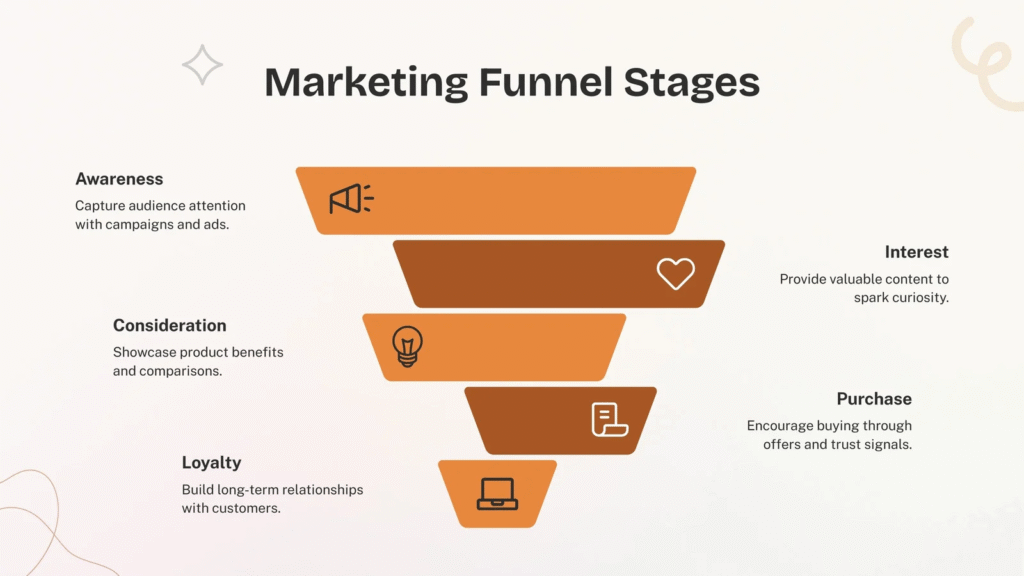
You’ve been slowly introducing potential customers into your world, and they’ve benefited from that throughout the customer journey.
In each step, you solved a minor problem that made their life easier. As they were reading your content, they learned a lot and were intrigued by your core offers. But they wanted to trust you first, so you helped them solve minor issues while they were still in the customer journey.
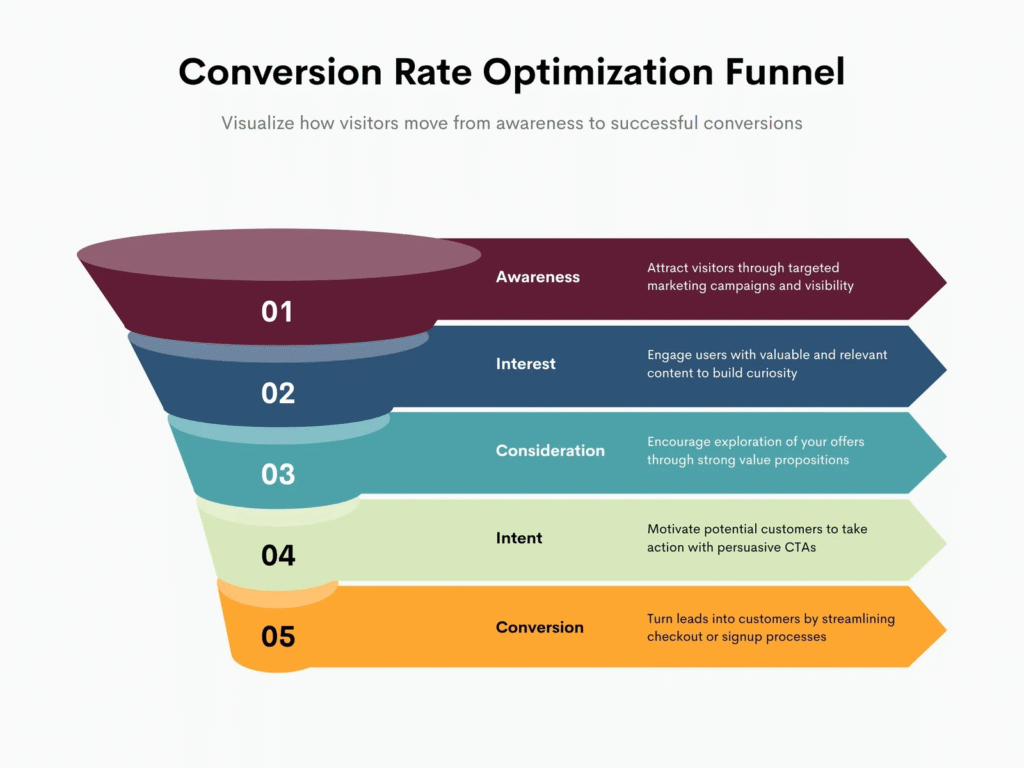
Bottom of the market is where the magic happens—this is the point where a potential customer purchases your services. By this point, potential customers are familiar with your brand and your offers. You just have to convert them into customers.
What is bottom of the funnel marketing?
My two cents on the bottom of the funnel marketing—this is where you push for more value to convert leads into customers. But in this scenario, you are offering a core solution that will solve more problems than what was offered on other marketing stages.
Bottom of the marketing is where you introduce your core offer, which separates what you are offering in the bottom of the funnel and what is offered in other stages.
Pass the same message as middle of the funnel, but change the intent. Content in bottom of the funnel is more about conversion—urging customers to take a certain action while also offering value (reach out to implement this).
Content that’s ideal for bottom of the funnel marketing:
- Informative articles focusing on core problems
- Case studies and how they solved different problems
- Comparison between the freemium and premium options
- Landing pages with high-quality copy
Bottom of the funnel content
1. Informative guides
Bottom of the funnel content is where you’ll push your final offers in a structured manner. Informative content gives you the leeway to do this in an easy and engaging manner. Remember, everything you did up to this point was all about prepping potential customers to buy certain offers. The informative guide in this section goes deeper into the core solution and highlights what you are bringing to the table.
So, let’s say you’re an organisation that’s offering two different premium plans—business and pro. The most appropriate course of action would be to provide an in-depth guide for each plan with huge offers.
So, content in this stage will focus on the core offer and what the core offer entails:
- Features
- Price
- Organization size
- How long the plan lasts
While listing features offered on each plan might guide the user, an in-depth guide provides more information that helps potential customers make a solid decision.
If the plan is tailored for a certain organisation, you can break down the cost for accessing the SaaS platform.
2. Case studies
Case studies can be used in middle of the funnel and bottom of the funnel marketing campaigns. But the intent changes in bottom of the funnel. In bottom-of-the-funnel marketing, case studies are more focused on converting leads into customers.
Apart from that, bottom-of-the-funnel case studies should be centered on your core offers.
If you are offering three premium plans, the best thing would be to come up with three different case studies that show your leads how to move from point A to point B. You can take different angles while marketing your core offers to your potential customers.
For instance, you can do a case study that gives insight into the affordability of the entry premium plan or come up with another study that breaks down advanced features offered on your platform.
Look for the competitive edge that your SaaS plan offers and capitalize on it while writing case studies.
Another important aspect of bottom-of-the-funnel case studies is the call-to-action button or link. A call to action is a phrase that urges potential customers to buy your software or subscribe to a certain plan.
Remember to insert CTA (call to action) buttons on your case studies, which will urge your leads to take a certain action, like subscribing to a plan.
3. Comparative reviews (free plans vs premium plans)
The main aim of a comparative review is to take a customer from the trust phase (middle of the funnel) to the conversion phase (bottom of the funnel).
As you were attracting potential customers, some potential customers subscribed to the freemium plan, which helped them test the waters. A comparison review makes it easier for you create a smooth transition from the freemium plan to the premium plan.
Those who subscribed to your free plan can be converted into long-term customers with an in-depth review that shows them the benefits of the premium plan. The most impactful comparison reviews will always be in-house reviews that are centred around your brand packages.
Pose this question: if the free plan delivered certain results that got you from point A to B, just imagine what the premium plan can do for you and your organization?
This gives them an insight into the benefits offered by your premium plan. The premium plan is supposed to be the package that offers more value than the freemium plan. Since potential customers trust you, they’ll be more willing to try out the premium plan once you show them what’s on the table.
4. Landing page copy
A landing page is all about conversion. It uses a simple and engaging tone to convert leads into potential customers. The central focus of your landing page should be your main offers. A bold header, complemented by paragraphs of insightful information, will give you a home run. Bold headers will convey the most important message in the first few seconds, while informative paragraphs will go deeper into your core offers.
As a visitor goes through your landing page, they will be attracted to the offers. As we mentioned earlier, bottom of the funnel focuses on your core offers, so your landing page should feature all your premium offers.
A landing page is a cocktail of bottom-of-the-funnel content. It should have everything, from testimonials to small and brief copies that advertise your SaaS platform.
You don’t have to provide an in-depth explanation—a brief message will do the trick. Once you mention your core offers on the landing page, provide a link to other pages with in-depth information about the offers.
This creates a map that puts you on search engines. If your landing page is well-optimised for ranking and SEO, it will bring in more customers and boost your revenue, which is your ultimate goal.
Another thing: landing pages are also quite effective in bringing in un-nurtured traffic looking for solutions to their pain problems. Some potential customers are well-aware of the pain points and are just looking for a brand that can solve them. A landing page presents such solutions in a friendly and engaging manner.
Over To You
Bottom of the funnel content is where you’ll win over leads and convert them into customers. Content in this marketing phase is all about your core offers and the value of such offers.
By creating a distinction between different premium plans, you’ll guide your leads, making it easier for them to choose the plan that suits them most. And as they are subscribing to a premium plan, they’ll also go through case studies, which will give them an insight into the benefits of using your SaaS platform.